
Chimney Inspection
A clearer picture of your chimney, from the firebox to the roofline.
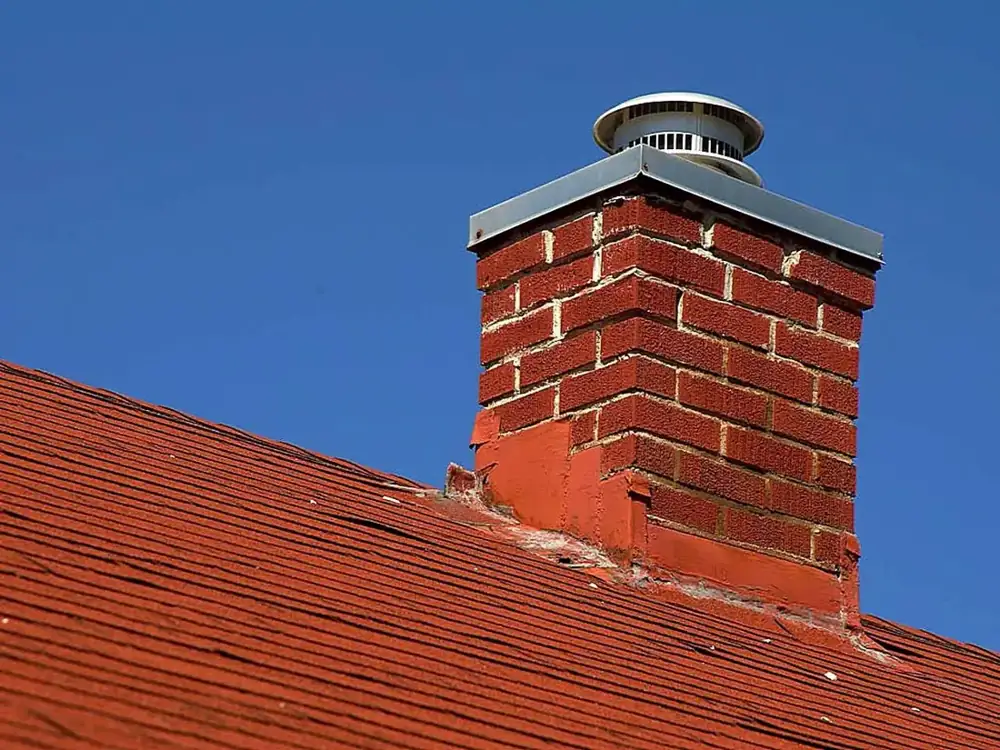
Review the flue, firebox, masonry and chimney top.
An inspection is a starting point when the service history is unknown, a concern has appeared, or a previous report needs follow-up. Explain the reason for the request so the contractor can confirm the inspection scope and how findings will be documented.
What the parts mean.
- Chimney topCap, crown and exposed masonry.
- Flue pathwayThe internal route that carries combustion gases.
- Firebox & hearthThe visible fireplace opening and surrounding surfaces.
This conceptual diagram explains the components. Your system and the appropriate work must be assessed individually.
Describe what you have noticed.
A clear request helps the contractor understand the concern and discuss an appropriate scope.
- An existing inspection report or property-purchase concern
- Visible cracks, staining, loose pieces or debris
- A change in fireplace performance or intended use

Start with your property location.
Explore the regional guide for your city or state, then include the town, ZIP code and actual property details in your inquiry. Contractor coverage and availability are checked for the specific address.
Before you arrange service.
Does an inspection include cleaning?
Confirm this before booking. An inspection assesses condition; cleaning and repairs should be listed separately if they are included in the proposal.
Will the contractor use a camera?
Ask which inspection level and methods are appropriate for your system and reason for the visit. Camera work should be confirmed in the agreed scope.
What should I receive afterward?
Ask for a clear explanation of the findings, photographs where applicable, and the distinction between observed conditions and proposed work.
Explore the connected services.
Further reading: CSIA homeowner resources · National Park Service exterior maintenance guide