Chimney Cap & Crown Service in Seattle, WA
Two different parts at the top of the chimney, each with a distinct role.
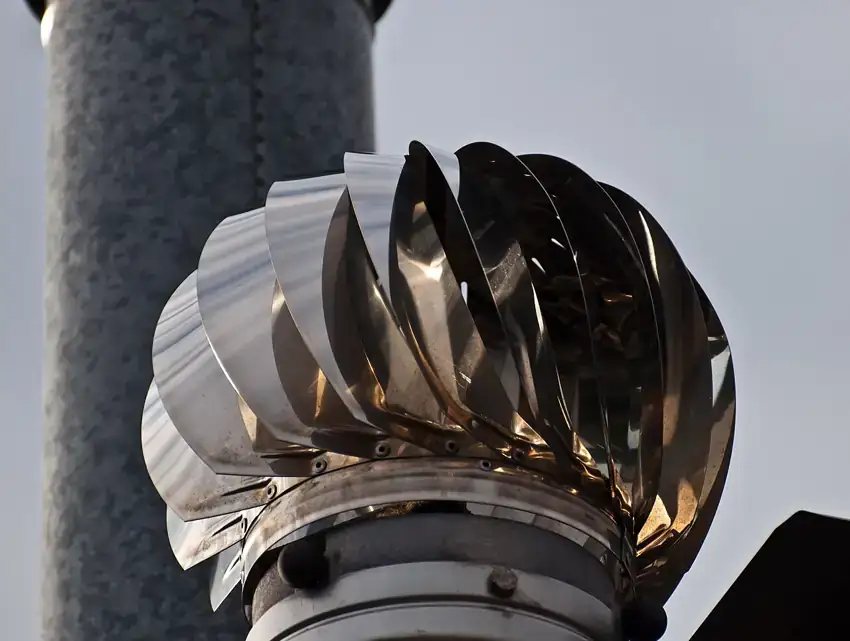
Check the cap, crown and condition of the chimney top.
A cap sits over the flue opening; a crown is the top surface of a masonry chimney. Damage to one does not automatically mean the other needs replacement. Ask for the specific component, condition and proposed work to be identified.
What the parts mean.
- CapThe cover over the flue opening.
- CrownThe sloped top surface around the flue.
- Flue openingThe venting outlet beneath the cap.
This conceptual diagram explains the components. Your system and the appropriate work must be assessed individually.
Describe what you have noticed.
A clear request helps the contractor understand the concern and discuss an appropriate scope.
- A missing, loose or visibly damaged chimney cover
- Visible cracking or broken material at the chimney top
- An inspection report recommending cap or crown work

Planning service in Seattle.
For a Seattle-area leak concern, describe what happens during rain and where the first stain appears. A firebox stain, a ceiling mark, and damp exterior masonry can point to different places to investigate.
Include the roof material, fireplace fuel, and whether the concern changes between wet and dry weather.
These locations organize inquiries. Coverage must be confirmed for your ZIP code.
Before you arrange service.
Are a chimney cap and a crown the same thing?
No. The cap covers the flue opening, while the crown forms the top of a masonry chimney. A contractor should identify which part is affected.
Can any cap fit my chimney?
Do not assume interchangeability. The contractor should confirm dimensions, configuration, material and compatibility with the system.
How do I describe a concern I cannot see closely?
Share what you can observe safely from the ground and any existing report. A contractor can arrange the access needed to examine the chimney top.
What should I report about a Seattle chimney leak?
Describe the timing of the moisture, its location inside the home, and any previous flashing or roof work. Photos taken safely from the ground or indoors can help explain the concern.
Explore the connected services.
Further reading: CSIA homeowner resources · National Park Service exterior maintenance guide